Taylor Surgery
Creative Director, Product Design, Development, XR Experience
Taylor Surrgery
2022
Summary
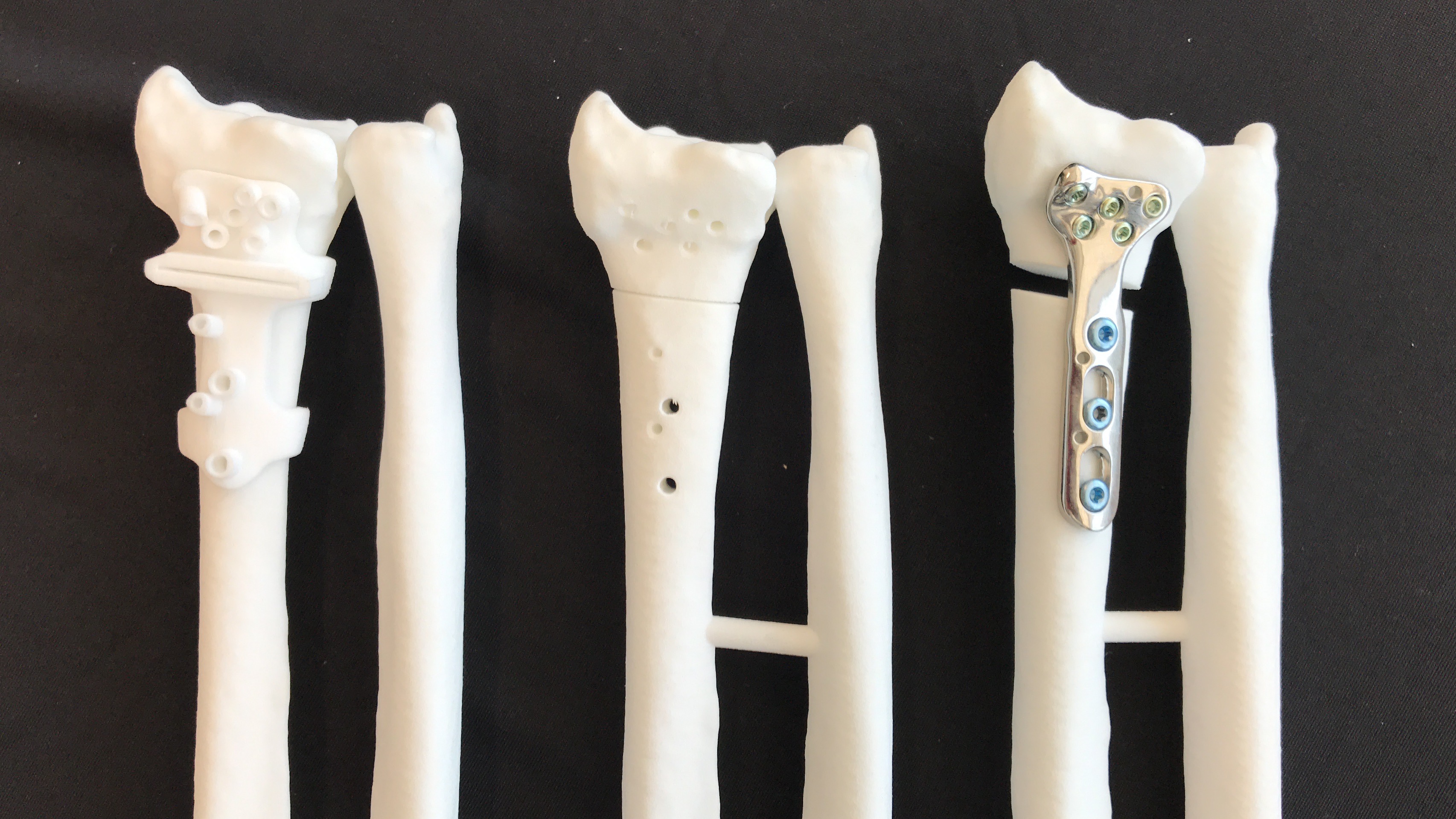
A research team at the Taulí park in Sabadell has developed a technology that makes it possible to make a surgical guide from a DICOM photograph. With a 3D program, a 1:1 scale model of the fractured bone is made and, working on this, a template is deployed that allows the surgeon to know precisely where to work, be it screwing or cutting.
Apart from the creation of this template, they have also standardized the surgical processes for each type of fracture, for each part of the body, in such a way that from a computer program they have deployed, they can create specific templates for each patient automatically from the DICOM image provided by the surgeon.
Going further, they not only provide these surgical guides but have also developed the way to 3D print the prosthesis custom-made for each patient.
This is a technical project for social development. Engineers and doctors work together to create a technology that benefits them. But in order to really have an impact on society, this technology must adapt to human language. Therefore, it must become a product.
What I've done
1. Vision and Concept Development
2. User Experience (UX) Design
3. User Interface (UI) Design
4. User Research and Testing
5. Development
6. Iteration and Continuous Improvement
Design process
This project is developed based on the user-centred design-thinking approach, in order to keep the target user at the center of the process, to respond to their needs and to make a constant analysis of the context in which it is located.
Target users
In order to be able to define the user journey of our target users, we have described the typical user, Max, a surgeon specialising in traumatology and orthopaedics between 38 and 48 years old.
To understand Max’s day-to-day life, we have come up with the two most frequent scenarios. First a custom surgery, second a standard surgery. After analysing the two cases using the user journey definition methodology, we reached the following conclusions:
- Surgical planning and guidelines are key elements for any intervention.
- The more specific and personalised the material used, the better suited to the patient.
- The management and planning of an orthopaedic surgery is complex.
Product definition
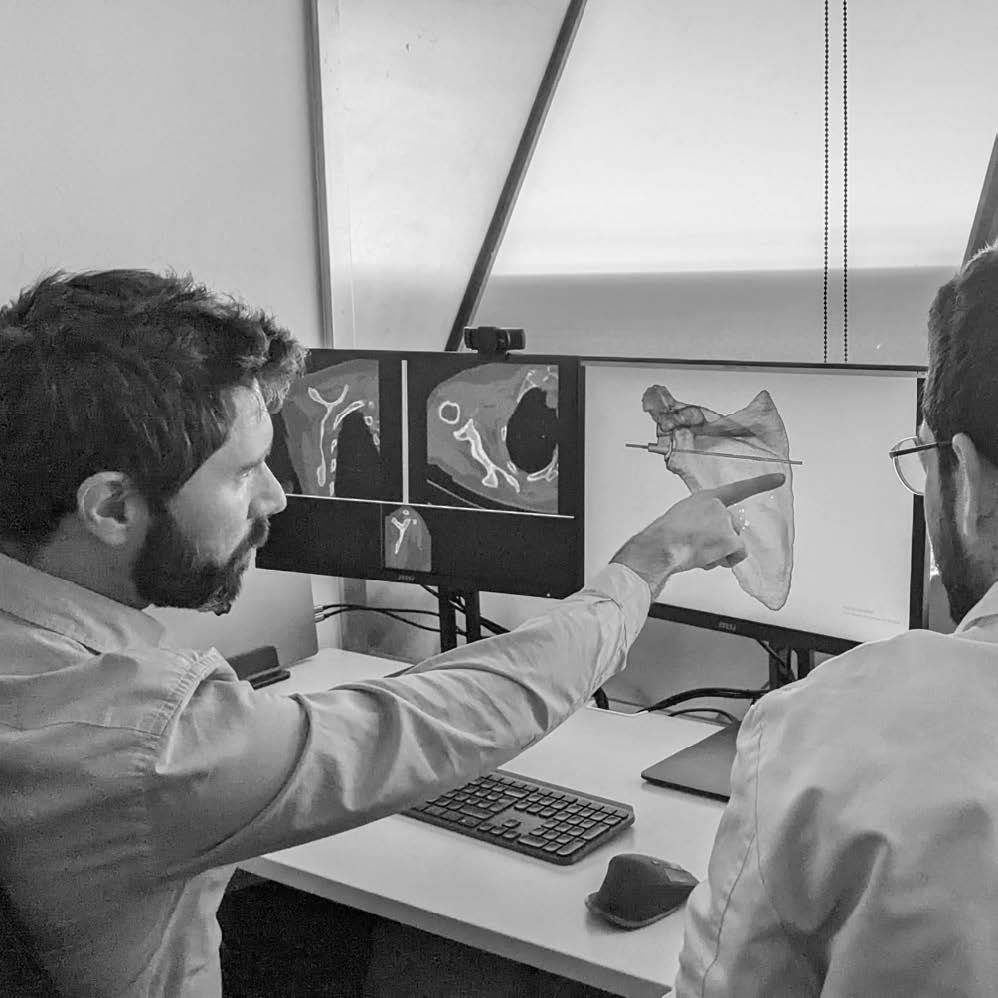
After analysing the operational flow of Tailor Surgery, we have come to the conclusion that what we will have to develop is a digital platform that unifies the end-to-end processes to perform a successful orthopaedic surgery.
The three main functional requirements of tailor surgery are
1. Send the information about the surgical case. This step has been solved by developing a landing page.
2. Approve digital surgery. The doctor and the Tailor team have to collaborate closely, to solve this point, a mobile app has been developed.
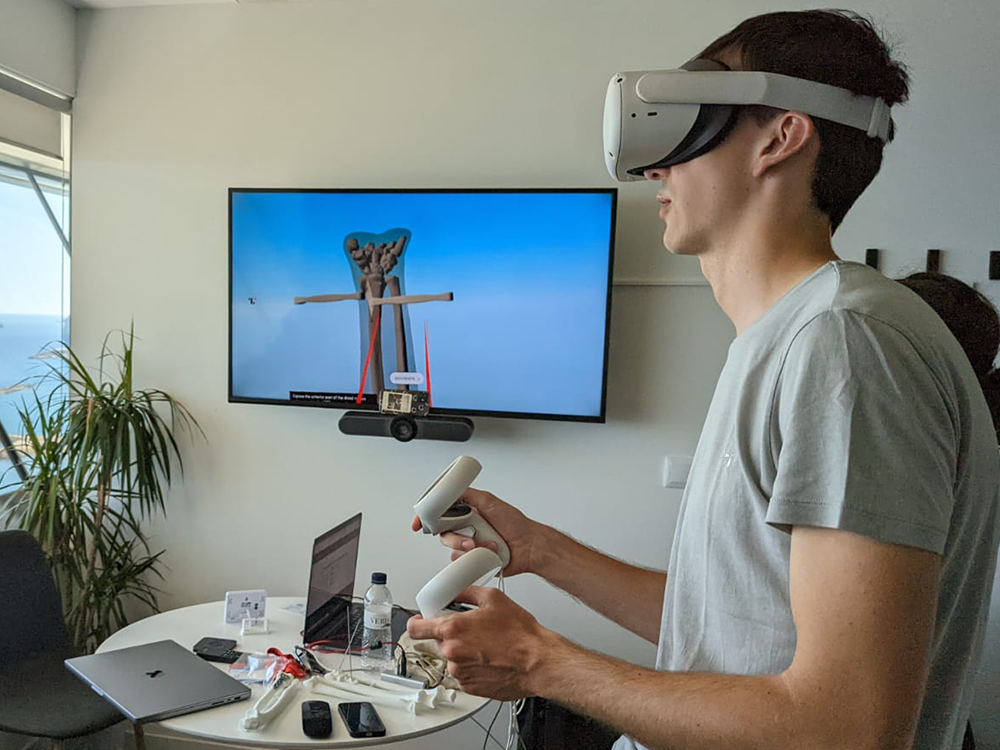
3. Receive the material in the operating room. In order to understand how to use the material they will receive in the operating room, an interactive surgical guide has been created where surgeons can practice various procedures. Both on web, mobile and virtual reality platforms.
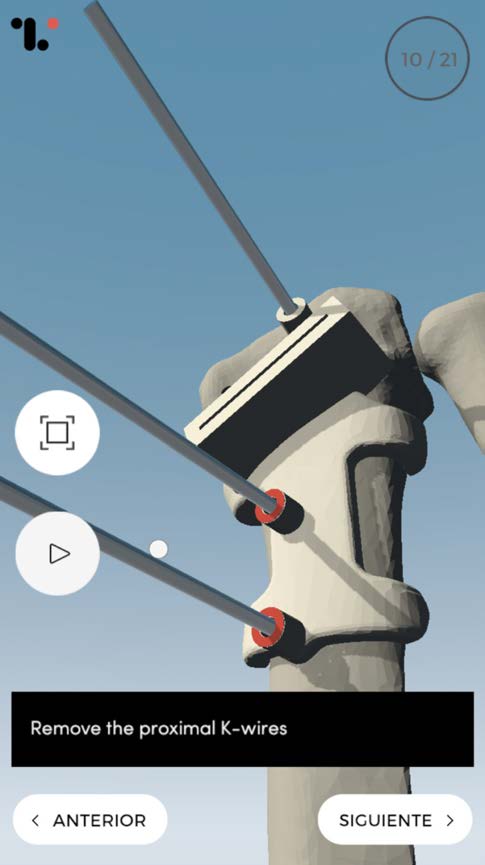
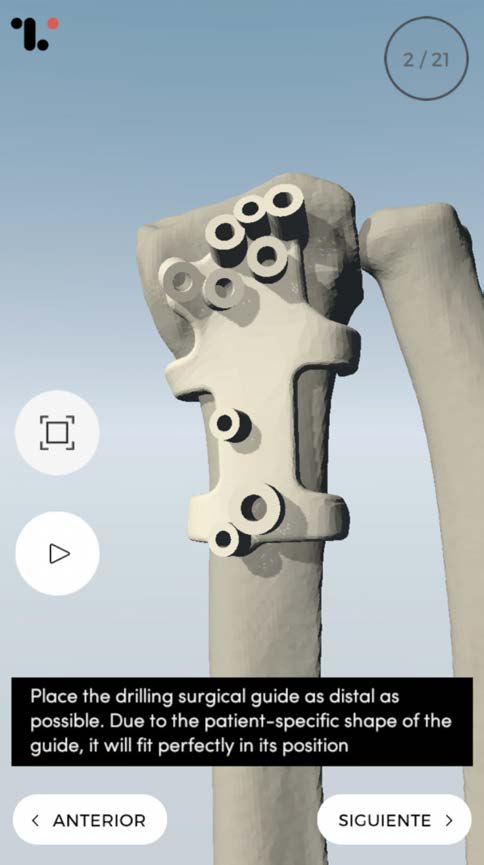
Together with the surgical guides and the material provided by Tailor Surgery, in order to improve the experience in the operating room, an interactive 3D surgical planning has been designed that allows the visualisation in three dimensions of each of the steps to follow in the operation. In this portfolio I will only focus on explaining the part of the product referring to it.